Ethical Coding Practices: Building a Responsible Future in Tech
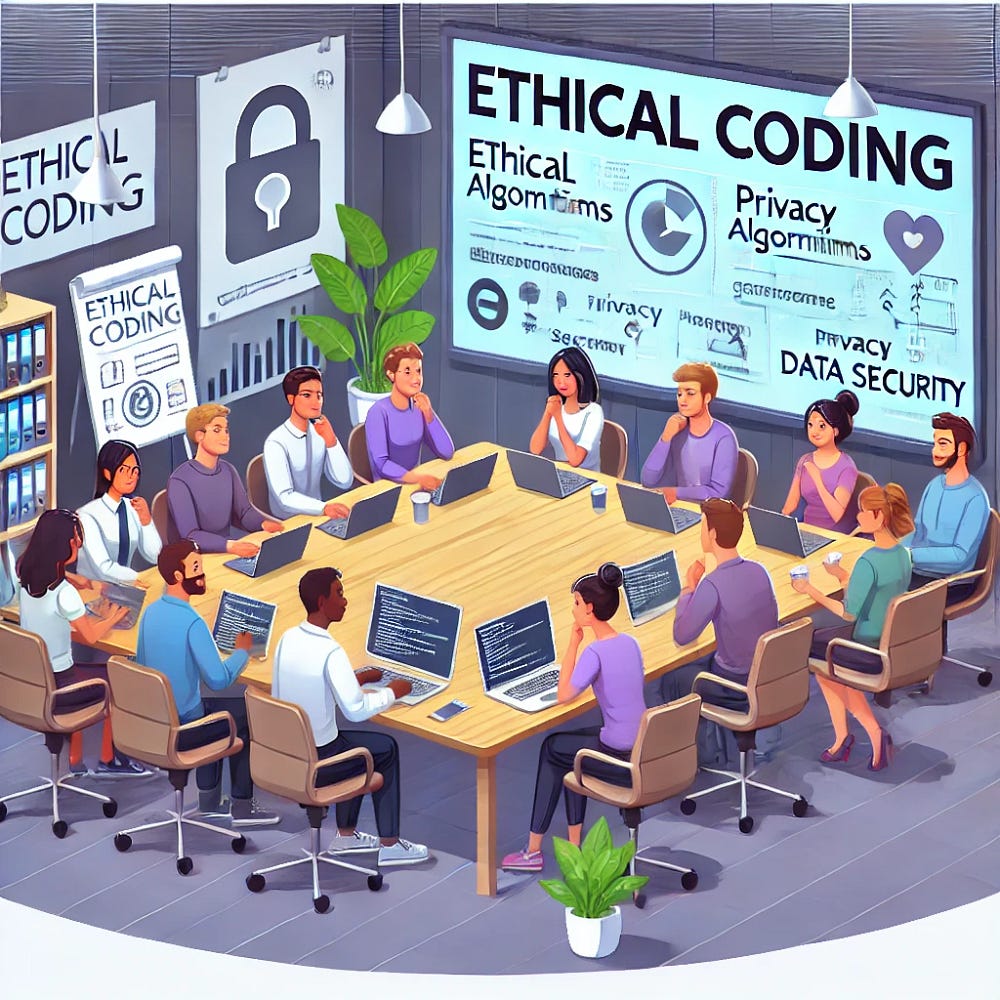
In today’s rapidly evolving tech landscape, the role of software developers is more significant than ever before. As we create increasingly complex systems and algorithms, we face not only technical challenges but also ethical dilemmas. Understanding and implementing ethical coding practices is essential for developers who want to ensure that their work contributes positively to society and does not inadvertently cause harm. This article explores the importance of ethical coding practices and offers guidance on how to navigate these complex issues.
1. Understanding Ethical Coding
Ethical coding refers to the practice of writing software in a way that aligns with ethical standards and values. It involves considering the broader impact of the code you write, from how it affects users to its potential societal implications.
Key Principles of Ethical Coding:
- Privacy and Security: Ensuring that user data is protected and that systems are secure against unauthorized access.
- Transparency: Making it clear how software operates, particularly when it involves data collection or automated decision-making.
- Fairness: Avoiding biases in algorithms and ensuring that software does not discriminate against any group of people.
- Accountability: Taking responsibility for the code you write and being willing to address any issues that arise.
2. The Importance of Privacy and Security
One of the most critical aspects of ethical coding is safeguarding user privacy and data security. With the rise of big data, developers often have access to vast amounts of personal information. It is our responsibility to ensure that this data is handled with care and respect.
Best Practices for Privacy and Security:
- Data Minimization: Collect only the data that is necessary for the functionality of the application. Avoid collecting excessive information that could put users at risk.
- Encryption: Use strong encryption methods to protect sensitive data, both in transit and at rest. This helps prevent unauthorized access and data breaches.
- Regular Security Audits: Conduct regular security audits and vulnerability assessments to identify and address potential security flaws.
3. Ensuring Transparency and Fairness
Transparency and fairness are crucial for building trust with users. When software makes decisions — especially automated ones — users have the right to know how those decisions are made and to ensure they are not biased or discriminatory.
Strategies for Transparency and Fairness:
- Clear Communication: Provide clear explanations of how your software works, particularly if it uses algorithms or machine learning to make decisions.
- Bias Mitigation: Actively work to identify and mitigate biases in algorithms. This may involve using diverse datasets and regularly testing the software for unintended discrimination.
- User Consent: Ensure that users are aware of and consent to any data collection or automated decision-making processes that may affect them.
4. Embracing Accountability in Software Development
Accountability means being responsible for the software you create and being prepared to address any issues that arise. This includes fixing bugs, addressing security vulnerabilities, and responding to user concerns.
How to Foster Accountability:
- Ethical Guidelines: Develop and adhere to a set of ethical guidelines for your development team. This can help ensure that everyone is on the same page regarding ethical standards.
- Open Source Contributions: Contributing to open source projects can enhance accountability by making your code publicly available for review and improvement by others.
- Feedback Mechanisms: Implement mechanisms for users to provide feedback and report issues. Be responsive and proactive in addressing their concerns.
5. The Role of Developers in Shaping the Future
As developers, we have a unique opportunity — and responsibility — to shape the future of technology. By embracing ethical coding practices, we can ensure that our work benefits society as a whole and does not inadvertently cause harm.
Steps to Take:
- Continuous Learning: Stay informed about the latest ethical issues in technology. This includes understanding new regulations, emerging ethical dilemmas, and best practices.
- Community Involvement: Engage with the broader tech community to discuss ethical issues and share knowledge. This can help foster a culture of ethical awareness and responsibility.
- Advocate for Change: Use your voice to advocate for ethical practices within your organization and the tech industry at large. This can include pushing for more diversity, equity, and inclusion in tech.
Conclusion
Ethical coding is not just a buzzword; it’s a fundamental aspect of responsible software development. By prioritizing privacy, security, transparency, fairness, and accountability, we can build a more ethical tech landscape that benefits everyone. As developers, we have the power to create change and ensure that technology is used for good. Let’s commit to building a future where ethical considerations are at the forefront of every coding decision.
By adopting these practices, you can contribute to a more ethical and responsible tech industry, ensuring that your work not only meets technical requirements but also aligns with societal values and expectations.

Comments
Post a Comment